Български

- office@royaltravelbg.com
- 67A Maria Luiza Blvd., Sofia 1202, Bulgaria
About Bulgaria
The Republic of Bulgaria is a country in south-eastern Europe. It is located in the eastern half of the Balkan Peninsula. It is bordered by the Black Sea to the east, Greece and Turkey to the south, Serbia and the Republic of Macedonia to the west, and Romania to the north, separated by the Danube River. The total length of the state border is 2,245 km, of which 1,181 km are land, 686 km are river and 378 km are sea.
State administration
Bulgaria is a parliamentary republic. The Bulgarian unicameral parliament, the National Assembly, consists of 240 deputies elected for a term of 4 years.
Parliament passes laws, approves the budget, schedules presidential elections, elects and dismisses the prime minister and the council of ministers, and ratifies international treaties and agreements.
The President of the Republic is directly elected for a 5-year term with the right to one re-election. He is Head of State, Commander-in-Chief of the Armed Forces and Chairman of the Advisory Council on National Security.
The Republic of Bulgaria has been a member of NATO since 29 March 2004.
Since 1 January 2007 the country has been a full member of the European Union.
Population
According to the 2021 census, the country's population is 6 520 000 people. 84.8% of the country's population is Bulgarian, with the two largest minorities being those of the Turks (8.8%) and the Roma (4.9%). The remaining 1.5% include several smaller minorities, including Armenians, Russians, Romanians, Ukrainians, Greeks and Jews. 85.2% of the population speaks Bulgarian, which is the official language of the country.
The majority of Bulgaria's inhabitants are Christian. The majority of them (82.6%) are Eastern Orthodox, 1.7% are Catholic, and 1.6% are Protestant. 12.2% profess Islam (mostly ethnic Turks) and 0.8% - Judaism.
The Republic of Bulgaria is administratively divided into 28 districts, with the capital Sofia forming a separate district.
Climate
The climate in Bulgaria is temperate-continental with 4 seasons. Temperatures average 0°C (32 Fahrenheit) in winter and 23°C (73.4 Fahrenheit) in summer. The average annual temperature is 10.5°C (50.9 Fahrenheit).
The Balkan Peninsula after the Black Sea Flood is the ancestral home of the Aryans, who today inhabit Europe, part of Asia and mainly Asia Minor, the northern coast of Africa, as well as European settlers in North America, South America and Australia;
For the beginning of the use of the name Bulgarians should be pointed to the period of the reign of the Roman emperor who was Bulgarian - Constantine the Great, ie the beginning of the 4th century, a period from which the first tablet with the inscription BOLGAR and other more ancient artifacts were found;
Prior to this, the Balkans (Bulgarian name) were called Aria and Thiraea, and populations were called after the names of the geographical areas they inhabited, e.g., Mysia - Mysiaks, Thrace - Thracians, Macedonia - Macedonians, Epirus - Epiroriots, Thessaly - Thessalians, etc.;
A connection must be made between the old Balkan population, which we are accustomed to call Thracians, with the term Bulgarians; the two concepts must be identified, since from a genetic point of view the common genes with the Thracians exceed 70%, i.e. we could consider the modern Bulgarians as descendants of this population not so much by direct as by cross lines ;
Bulgaria is one of the oldest countries in Europe. The country's history is defined by its geographical location on the border between Europe and Asia.
Bulgaria converted to Christianity in 864 under the reign of Prince Boris Michael.
The alphabetic system in Bulgaria is the Bulgarian alphabet or the later adopted term Cyrillic, it is one of the most used writing systems by about 252 million people in the Eurasian space. In 1396, the Ottoman Empire finally conquered the Second Bulgarian State, which was founded in 1185.
After almost 5 centuries of Ottoman rule, the Third Bulgarian State was born on March 3, 1878, at the end of the Russo-Turkish War.
With its four seasons, Bulgaria offers year-round tourism.
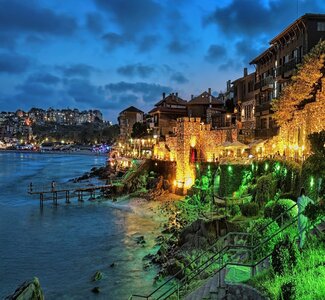
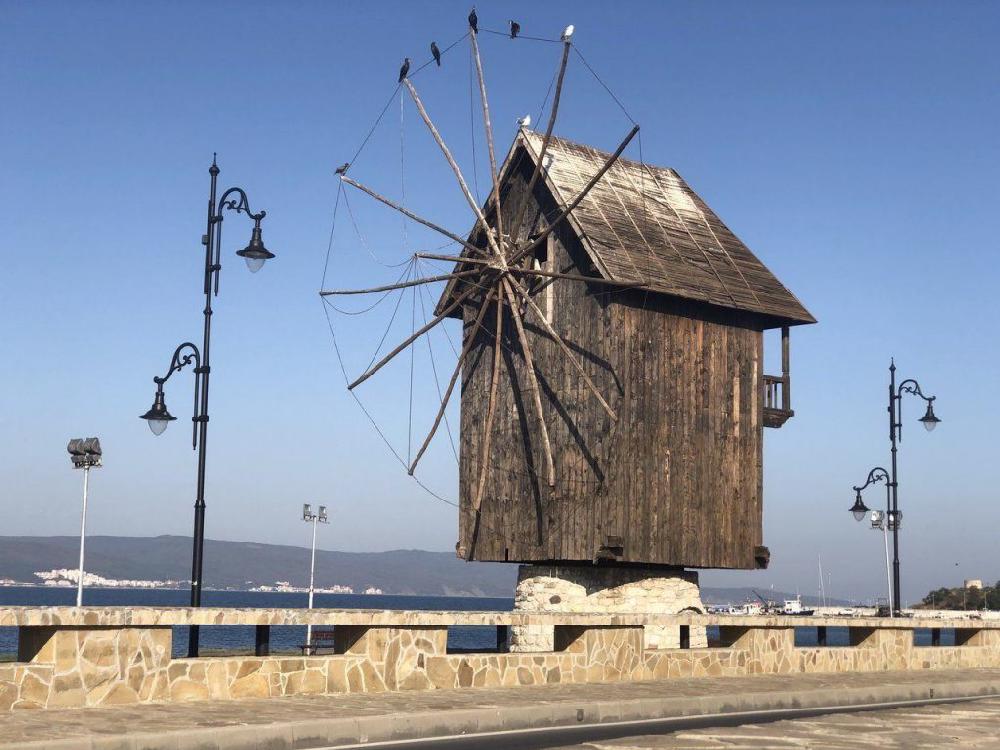
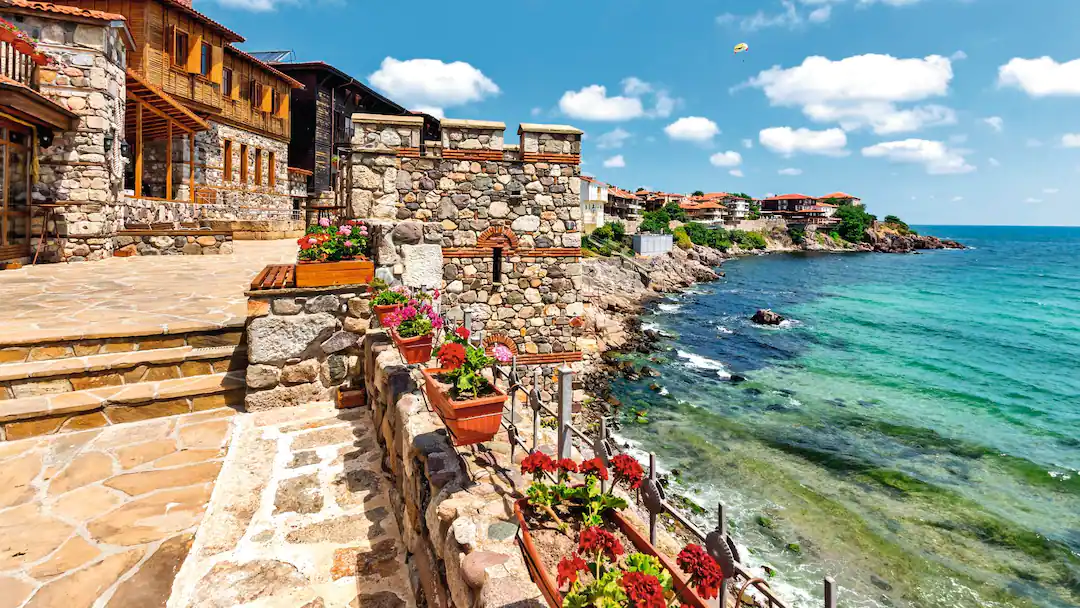
Sea tourism is most developed in the Black Sea resorts such as Varna, Balchik, Byala, Golden Sands, Albena, St. Konstantin and Elena, Sunny Beach, Nessebar, Pomorie, Burgas, Sozopol, Primorsko and others.
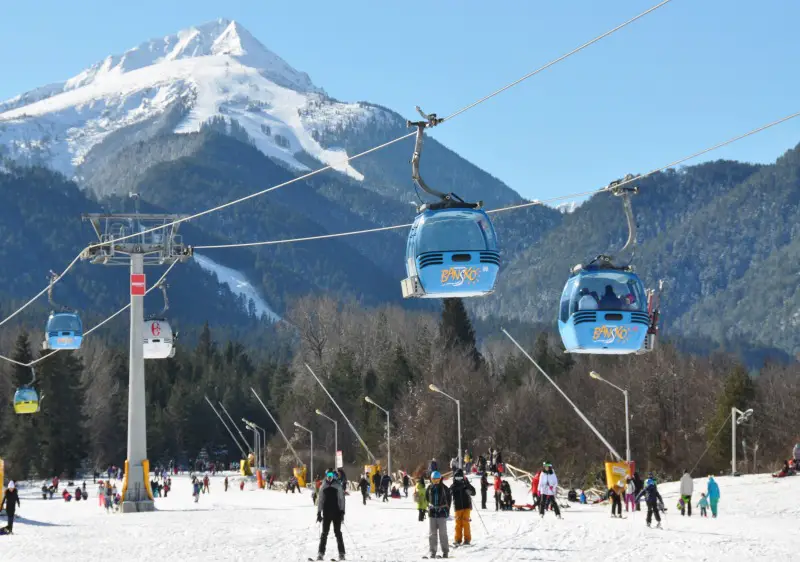
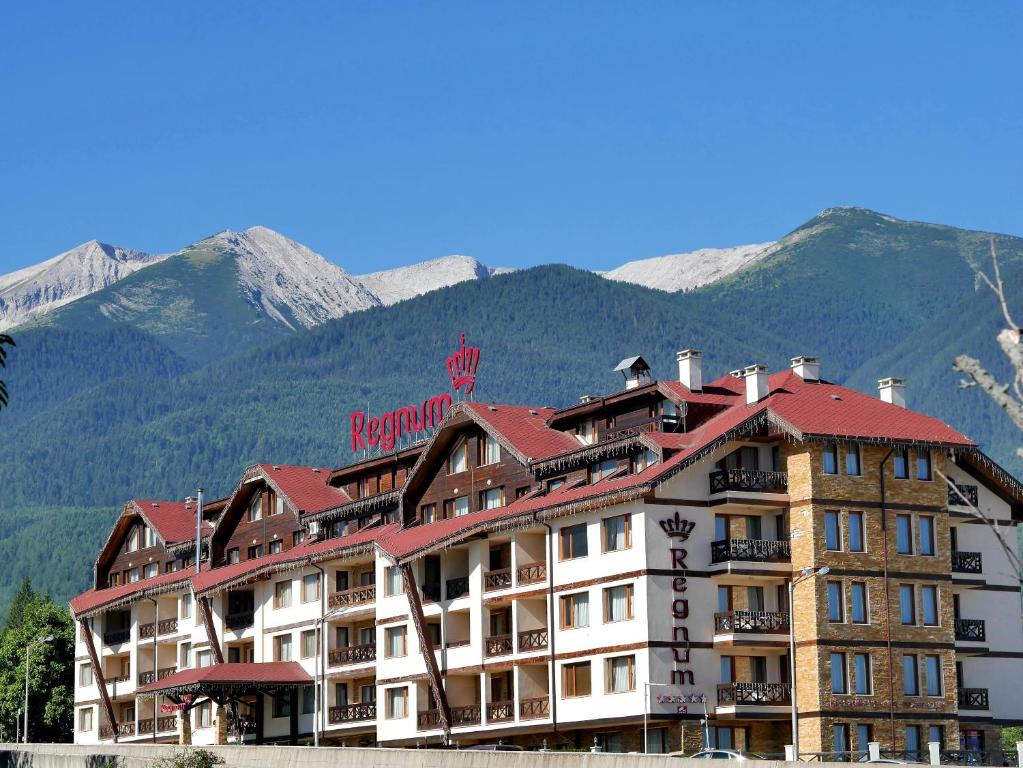
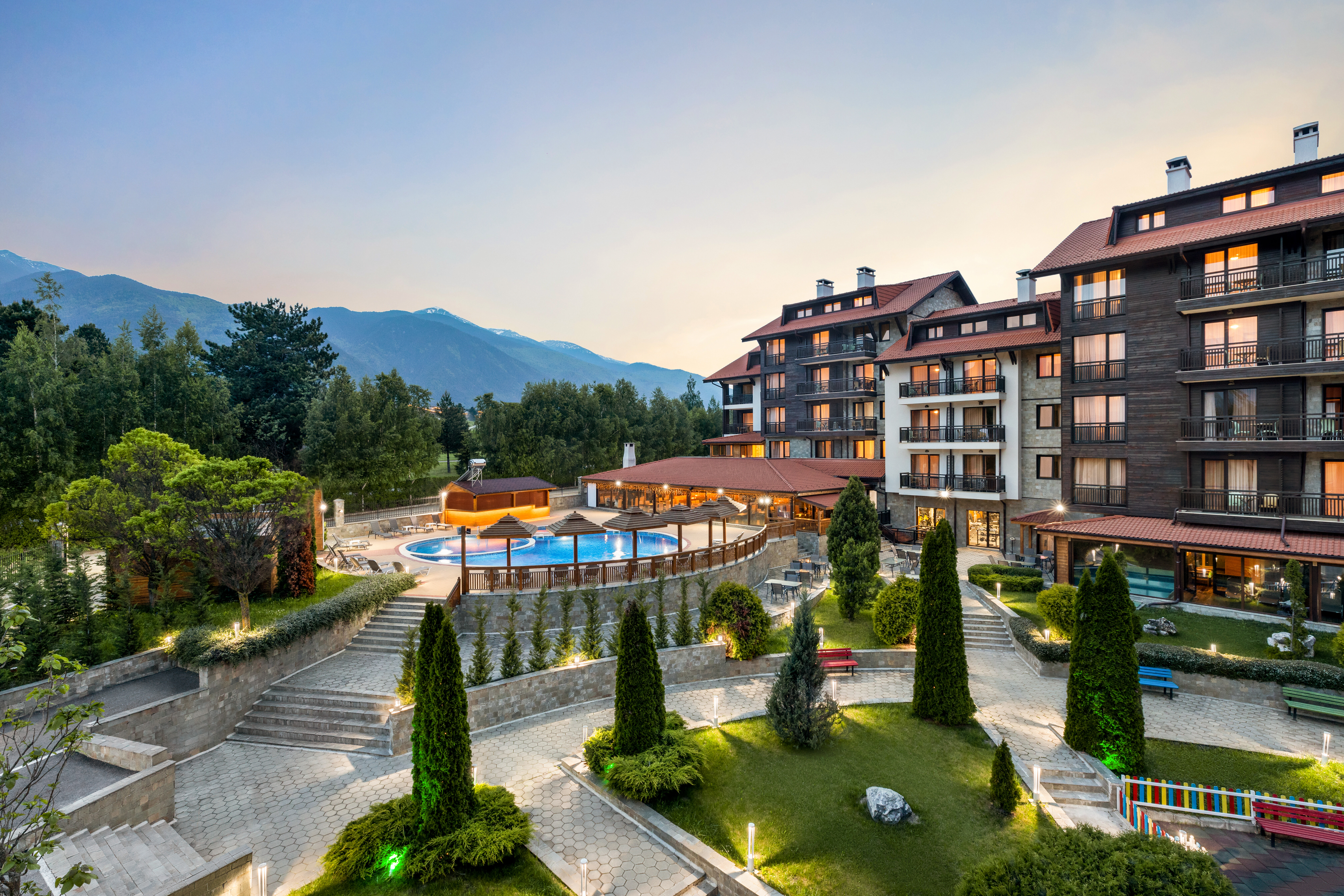
Mountain tourism is next, where besides SKI and gourmet tourism is developing. The main towns are Bansko, Razlog, Smolyan, Pamporovo, Borovets and others.
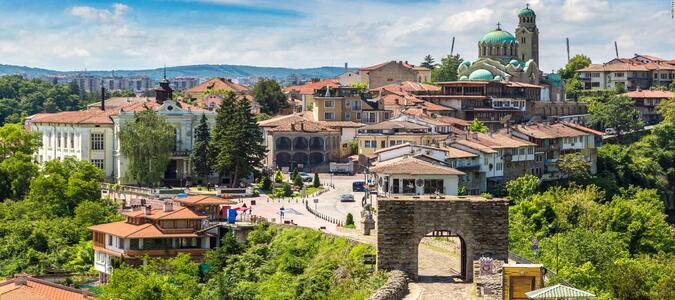
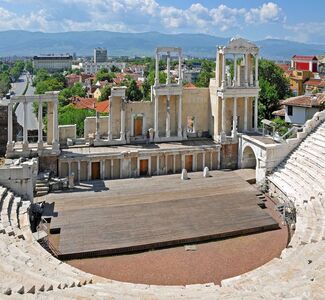
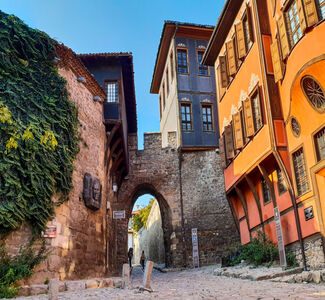
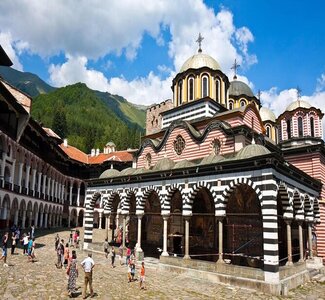
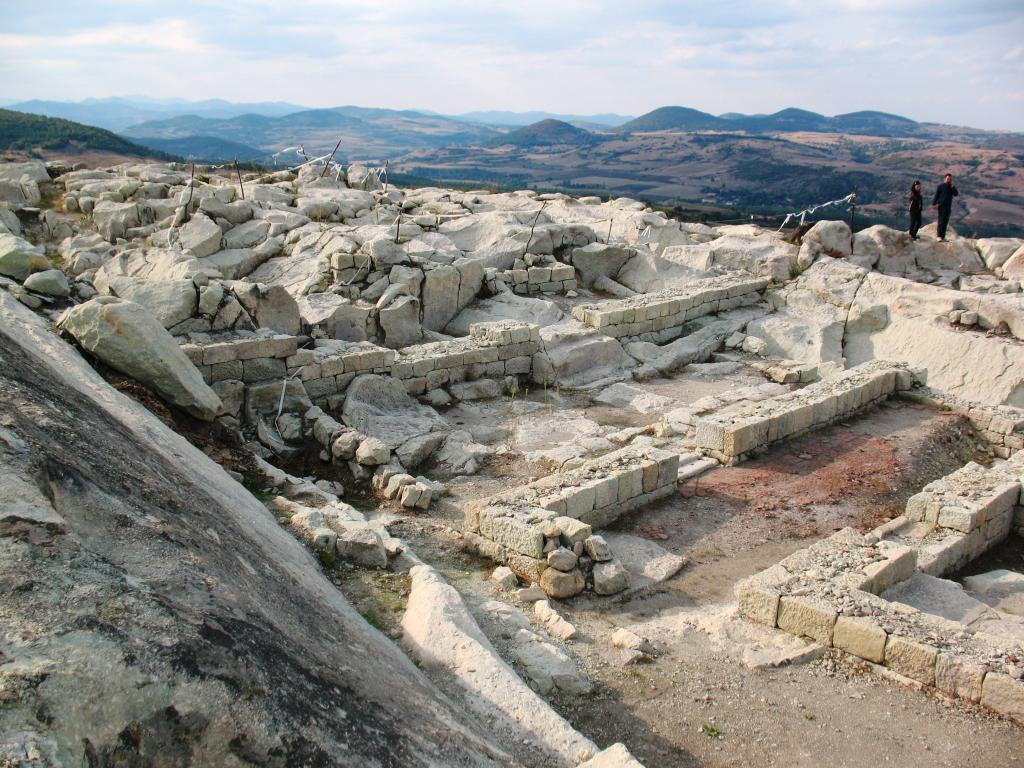
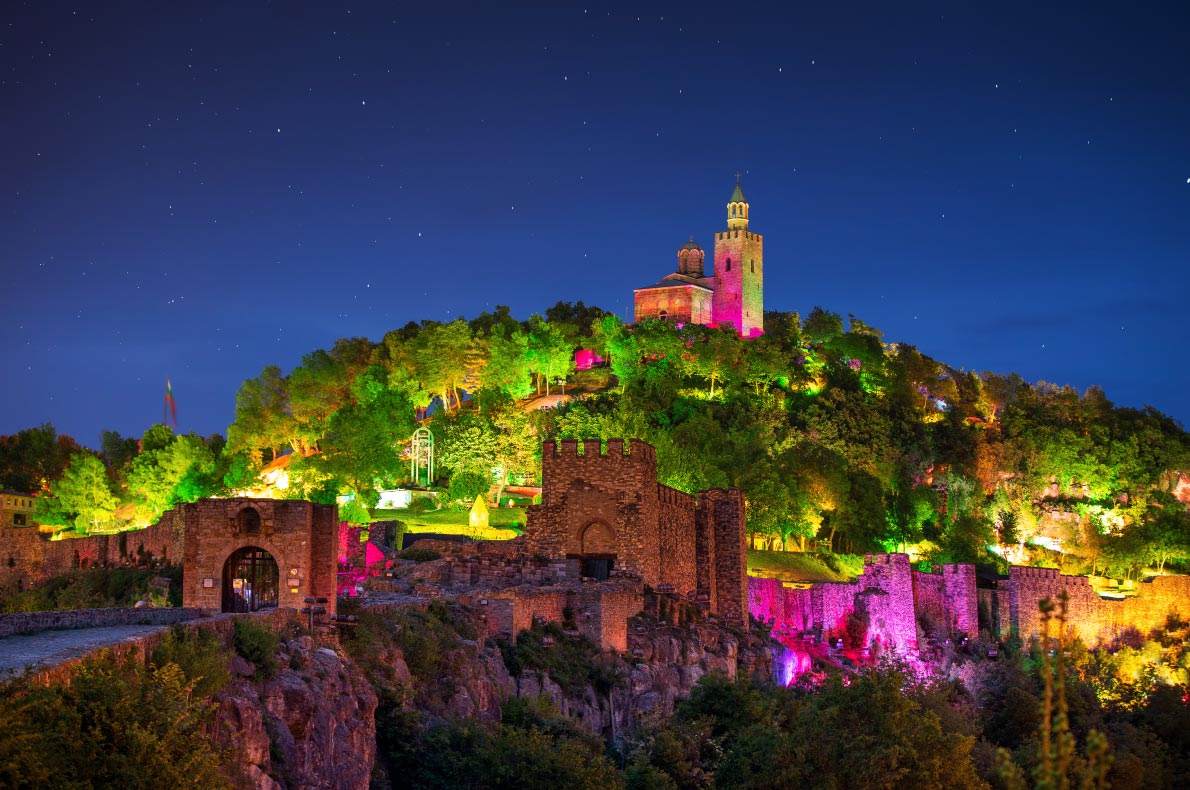
Cultural and historical tourism is also very well developed in Bulgaria. The country ranks 3rd in the world after Italy and Greece in the number of historical sites. The main cities are Sofia, Plovdiv, Veliko Tarnovo, Varna, Shumen, Ruse, Vidin, Kazanlak (UNESCO), Lovech, Pleven, Sozopol, Nessebar part of the UNESCO cultural heritage and others.
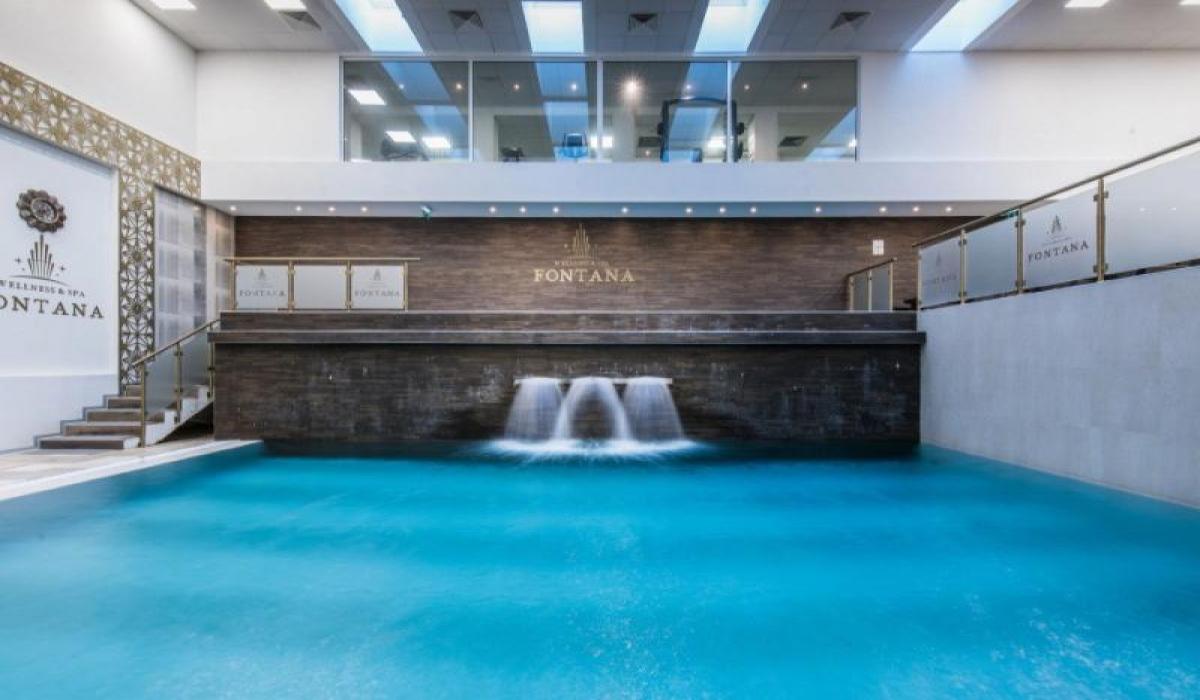
Spa and ballroom tourism has developed in the country in the last 20 years. Bulgaria ranks second in Europe in mineral water deposits. The main centres are Velingrad, Sandanski, Hisarya, St. Konstantin and Elena, Pomorie, Kyustendil, Sapareva Banya, Pavel Banya, Banya, etc.
Wine and gourmet tourism is also very well developed.
Destination Map
Need Help?
If you need further information or assistance please contact us. We are available 24/7
Packages
Destination Offers

Top Rated
Top Rated
Valuable Partners
Our Valuable Partners